"Cured" is the wrong word - but the honest answer is better than it sounds. Most people who complete CBT-I improve substantially, and the improvement lasts after treatment ends, because what they have learned keeps working. What no evidence supports is a promise that insomnia will never come back.
Why "cured" is the wrong frame
Insomnia is not like an infection that is either present or cleared. Sleep responds to stress, illness, schedules and life, and it does for everyone. People who have never had insomnia still have bad nights before a big day.
What turns ordinary bad nights into chronic insomnia is the set of habits and responses that build up around them - a weaker sleep drive, a bed that has become a cue for wakefulness, and worry about sleep. Treatment changes those. A bad night may still happen afterwards. The difference is that it stops turning into a bad month.
What the long-term evidence shows
The useful question is not "cured or not" but "how long does the improvement last." There is good evidence on that.
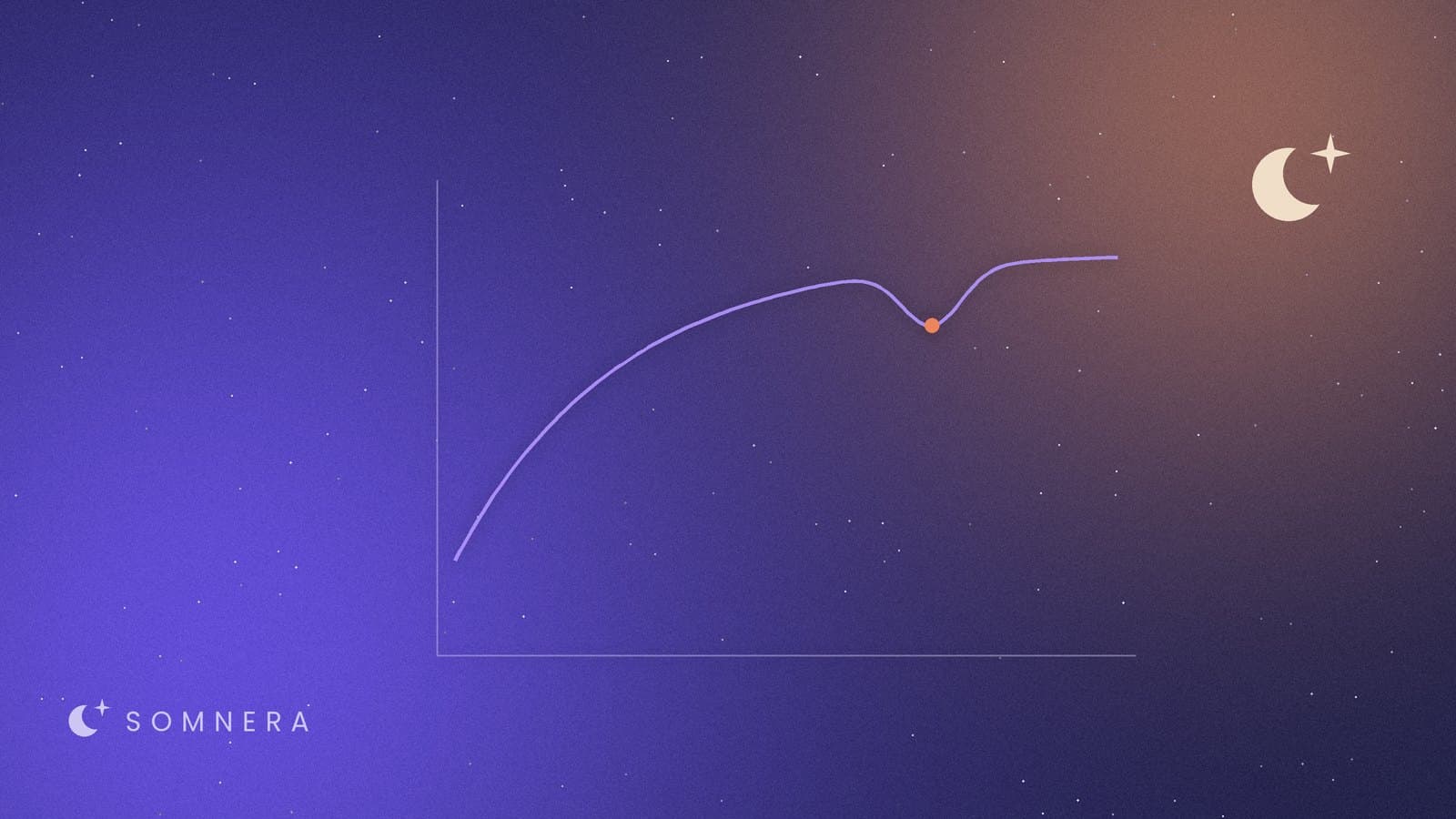
A meta-analysis of controlled CBT-I trials with long follow-up measured the effect on insomnia severity over time. The effect size was moderate at three months (0.64), smaller at six months (0.40), and smaller again but still present at twelve (0.25). Those are point estimates; the trend is the important part. The gains shrink. They do not vanish.
Immediately after treatment, pooled trials found people falling asleep about 19 minutes faster and spending about 26 minutes less awake during the night. The full evidence.
Compared with medication
The durability is where CBT-I differs most from sleeping pills. Medication works while it is being taken. In one trial in older adults, sleep efficiency measured in a sleep lab was 90.1% in the CBT group at six months, against 81.9% in the medication group.
That is the main reason the American College of Physicians recommends CBT-I as the initial treatment for chronic insomnia. It is not that it works faster or more dramatically. It is that what it changes stays changed. How the treatment options compare.