One trial, published in August 2026, found that older adults who received CBT-I aged more slowly on one measure of biological aging than older adults who received sleep education instead. That is a real result from a randomized trial, and it is considerably weaker than the headline it is going to get.
Here is what it actually showed.
What the study did
Researchers at UCLA had already run a randomized trial of CBT-I in adults aged 60 and over who met diagnostic criteria for insomnia disorder. Participants were assigned either to CBT-I or to sleep education therapy - not a waiting list, but an active comparison condition covering sleep hygiene, sleep biology, and stress biology. Both ran over eight weeks in group sessions.
Blood was drawn before treatment and again at a follow-up visit roughly two years later. This analysis took those samples and measured DNA methylation, then ran three established epigenetic clocks on the results.
Ninety-two people had usable paired samples: 47 in the CBT-I group, 45 in sleep education. Mean age was 69.5. The average gap between the two blood draws was about 24 and a half months.
The authors describe this as, to their knowledge, the first study to examine whether treating insomnia affects the pace of biological aging. The parent trial and this analysis were funded by the National Institute on Aging, and the authors declare no competing interests.
What it found
Three clocks were used, and they did not agree.
DunedinPACE, which estimates how fast a person is currently aging rather than how old they look, showed a difference between the groups: a group-by-time coefficient of −0.02 (95% CI −0.04 to −0.01), significant after correction for multiple testing. Read that as 0.02 fewer years of biological aging per chronological year in the CBT-I group.
GrimAge showed no significant difference between the groups (−0.33; 95% CI −0.68 to 0.03).
PCPhenoAge showed no significant difference either (−0.49; 95% CI −1.34 to 0.36).
Consistent with the parent trial, the CBT-I group was more likely to reach full remission of their insomnia: 34% (16 of 47) against 13% (6 of 45).
The finding underneath the finding
This is the part worth slowing down for, because almost every summary of this paper will skip it.
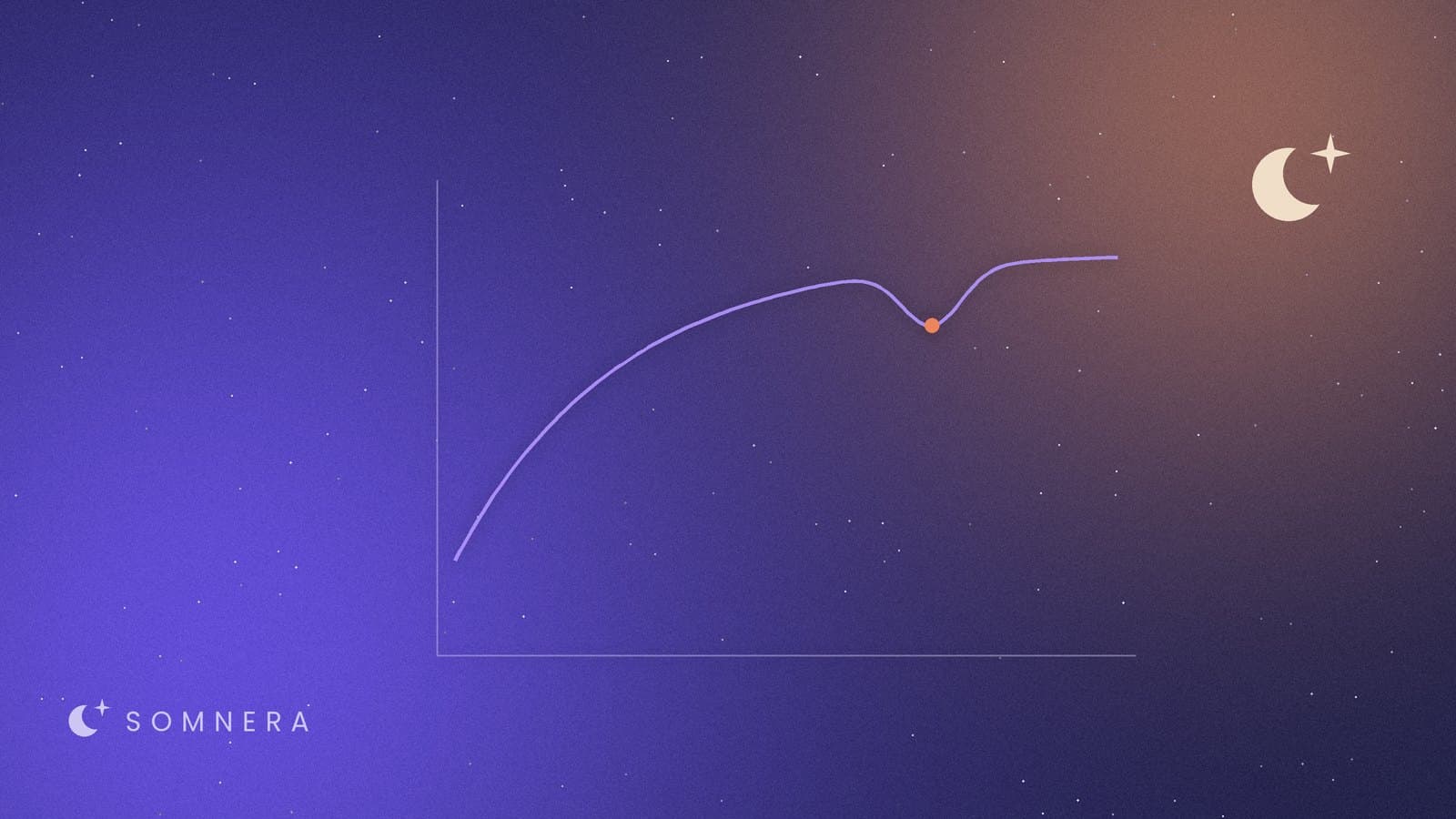
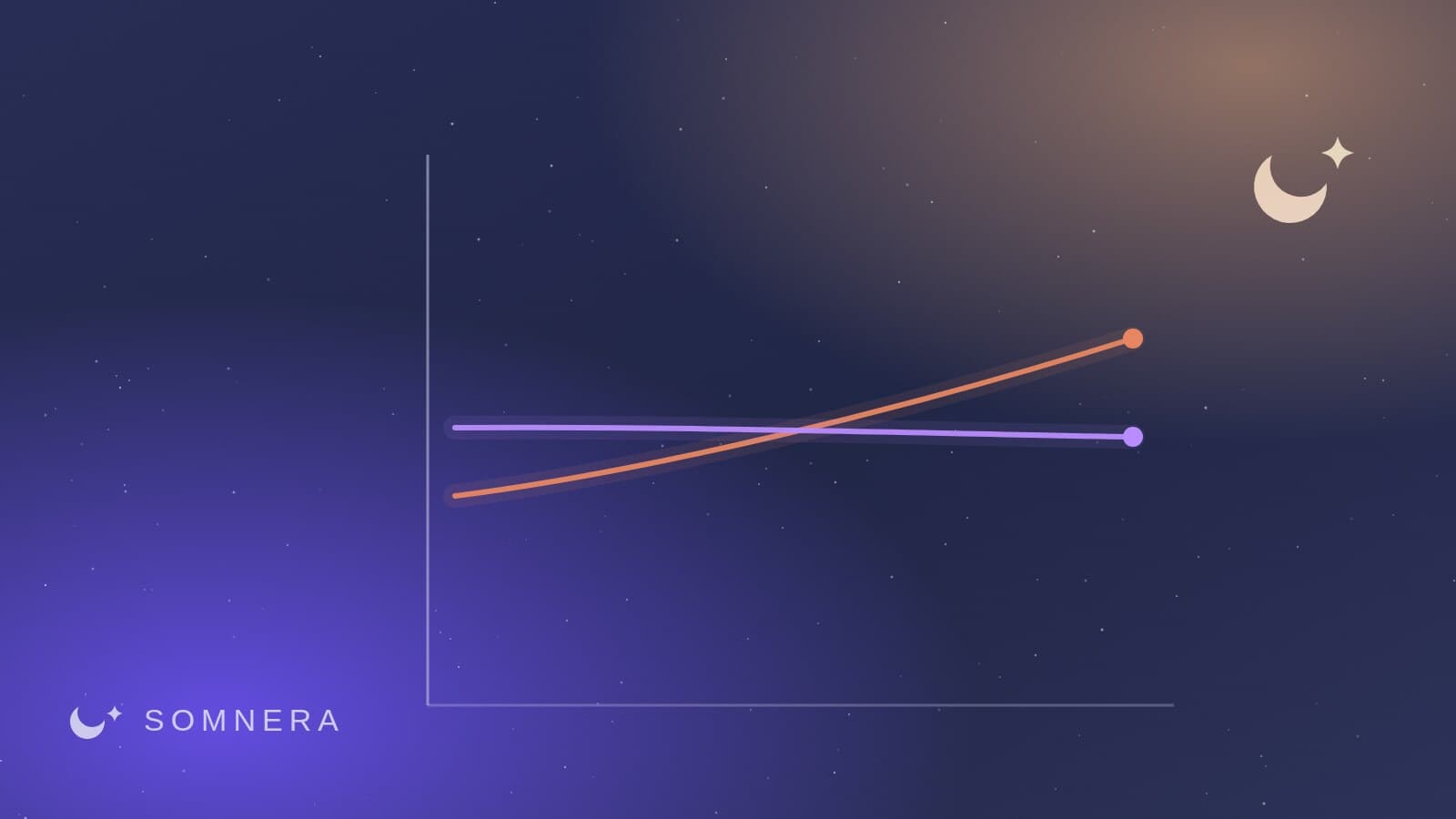
Within the CBT-I group, the pace of aging did not significantly change from baseline (mean change −0.01; 95% CI −0.03 to 0.01). Within the sleep education group, it increased (mean change 0.03; 95% CI 0.01 to 0.05), and that increase was significant.
So the difference between the groups was driven substantially by the comparison group getting worse, not by the CBT-I group getting better. The honest description is that CBT-I was associated with holding steady while the group without effective treatment accelerated.
An exploratory analysis pushes in the same direction: among people in the sleep education group whose insomnia did not remit, the pace of aging rose most of all (mean change 0.04; 95% CI 0.01 to 0.06).
That framing is less dramatic than "therapy reverses aging" and it is more interesting, because it points at untreated insomnia as the thing doing damage.
One clock did move within the CBT-I group on its own terms: GrimAge acceleration fell by 0.84 years (95% CI −1.35 to −0.34). But the comparison between groups on that same clock was not statistically significant, which is the test that matters for attributing anything to the treatment.
What an epigenetic clock is, and is not
DNA methylation is a set of chemical marks on DNA that change in patterned ways as people age. Epigenetic clocks read those patterns and produce an estimate - either of biological age relative to chronological age, or of the current rate of aging.
These measures predict disease and mortality risk across large populations, which is why researchers use them. They are not a clinical test, they are not diagnostic, and a number from one is not a fact about how long a particular person will live. In this study they are a surrogate measure: no participant's health outcomes were tracked. Nobody in this trial was shown to have avoided a disease.