Somnera
CBT-I science

CBT vs CBT-I: what's the difference, and which do you need?

They share a name and a philosophy. They are not the same treatment, and a therapist who does excellent CBT may never have delivered CBT-I.

4 min read

Last reviewed October 7, 2026

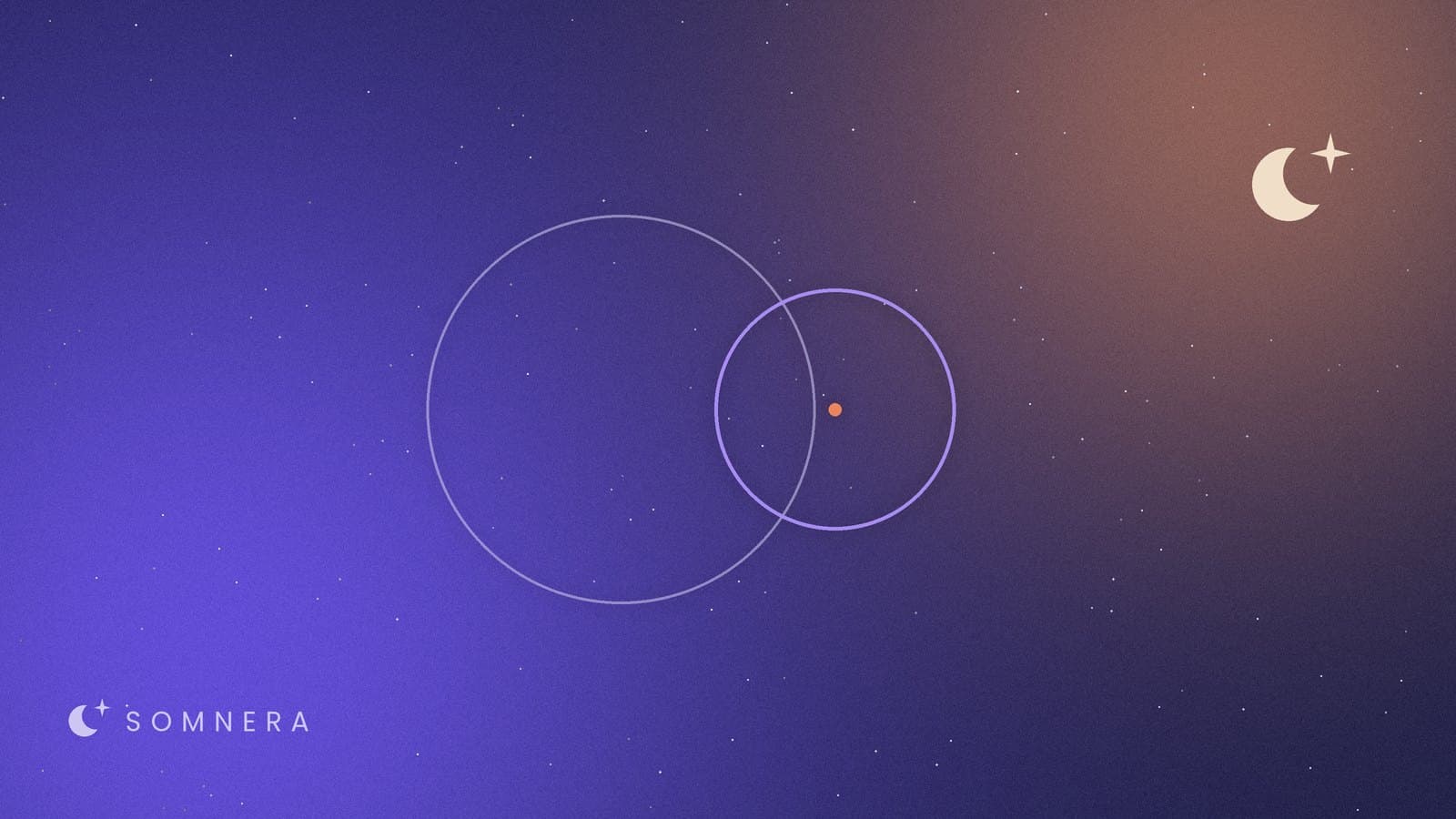
A small circle inside the edge of a larger one, showing CBT-I as a focused form of CBT

Share

CBT and CBT-I share a name and a way of thinking, but they are different treatments. General cognitive behavioral therapy is a broad talking therapy used for depression, anxiety and much else. CBT-I is a specific, structured protocol for one problem - insomnia - and most of its active ingredients are behavioral rather than conversational.

If insomnia is what you want fixed, the difference matters.

What they have in common

Both start from the same idea: that thoughts, behaviors and physical responses keep each other going, and that changing the patterns can change how you feel. Both are active, time-limited and skills-based rather than open-ended. Both involve work between sessions.

CBT-I grew out of that tradition, which is why it carries the name.

Where they differ

What is being treated

General CBT is adapted to whatever the person brings - low mood, panic, worry, phobias. CBT-I targets the specific processes that keep insomnia going: weak sleep drive, a bed that has become a cue for wakefulness, and the effort and worry that block sleep. How those three work.

What the active ingredients are

General CBT is mostly cognitive: identifying and testing unhelpful thoughts. CBT-I includes cognitive work too, but its most powerful parts are behavioral - sleep restriction, which concentrates sleep by temporarily limiting time in bed, and stimulus control, which rebuilds the link between bed and sleep. Neither is part of standard CBT.

How progress is measured

CBT-I runs on a nightly sleep diary. Your sleep window is calculated from it and adjusted week by week on what it shows. General CBT does not usually work this way.

How it is structured

CBT-I follows a defined sequence over several weeks. General CBT is more flexible, because it has to be.

Take the free assessment to see:

  • ✓Your Insomnia Severity Index (ISI) score
  • ✓A personalized 6-week CBT-I plan, built by a sleep physician
  • ✓How your sleep improves, night by night
Start free assessment

Side by side

General CBTCBT-I
TreatsMany conditions - depression, anxiety, panic and moreInsomnia specifically
Main ingredientsMostly cognitive: identifying and testing unhelpful thoughtsMostly behavioral: sleep restriction and stimulus control, plus cognitive work
Measured withVaries by conditionA nightly sleep diary
StructureFlexible, adapted to the personA defined sequence over several weeks
Guideline status for chronic insomniaNot the recommended treatment on its ownStrongly recommended as multicomponent CBT-I

Why the distinction matters

The American Academy of Sleep Medicine's behavioral guideline strongly recommends multicomponent CBT-I for chronic insomnia - the specific bundle of sleep restriction, stimulus control, cognitive work and education. The strength of that recommendation attaches to the protocol, not to talking therapy in general.

That has a practical consequence. A therapist who does excellent CBT for anxiety may never have been trained to deliver sleep restriction, and may not offer it. If you see a therapist for insomnia and spend the sessions talking about the worry without any change to when you go to bed or get up, you are probably not getting CBT-I. How to find someone who delivers it.

When you might need both

Insomnia often arrives alongside anxiety or depression, and the relationship runs in both directions. Trials of digital CBT-I have found improvements in depression symptoms (standardized mean difference −0.42) and anxiety symptoms (−0.29) alongside the improvement in sleep. That is a finding about CBT-I as a body of research.

It does not mean CBT-I replaces treatment for a mental health condition. If depression or anxiety is significant, or if there is any risk to your safety, that is a clinician's job first. Insomnia and depression and insomnia and anxiety go into the order of operations.

The short version

If your main problem is sleep, ask for CBT-I by name, and ask whether it includes sleep restriction and stimulus control. If your main problem is mood or anxiety and sleep is one symptom of it, general CBT or another treatment may be the right starting point, with CBT-I added if the insomnia persists.

More on what CBT-I is, or the rest of this section.

Somnera is a self-guided education program built on CBT-I, founded and written by Dr. Camilo Ruiz, DO, FACOI, FAASM. It is not a diagnosis and does not replace care from your own clinician. The assessment is free and takes about two minutes.

Citations

  • Edinger JD, et al. Behavioral and psychological treatments for chronic insomnia disorder in adults: an American Academy of Sleep Medicine clinical practice guideline. J Clin Sleep Med. 2021;17(2):255–262. doi:10.5664/jcsm.8986
  • Qaseem A, et al. Management of chronic insomnia disorder in adults: a clinical practice guideline from the American College of Physicians. Ann Intern Med. 2016;165(2):125–133. doi:10.7326/M15-2175
  • Harvey AG. A cognitive model of insomnia. Behav Res Ther. 2002;40(8):869–893. doi:10.1016/s0005-7967(01)00061-4
  • Lee S, et al. Digital cognitive behavioral therapy for insomnia on depression and anxiety: a systematic review and meta-analysis. npj Digit Med. 2023;6:52. doi:10.1038/s41746-023-00800-3
  • Koffel E, Bramoweth AD, Ulmer CS. Increasing access to and utilization of cognitive behavioral therapy for insomnia (CBT-I): a narrative review. J Gen Intern Med. 2018;33(6):955–962. doi:10.1007/s11606-018-4390-1

Frequently asked questions

No. CBT-I is a specific, protocol-driven treatment for insomnia that grew out of the cognitive behavioral tradition. General CBT is a broad talking therapy used for many conditions. CBT-I is mostly behavioral and is measured with a sleep diary.

Not reliably. General CBT may help with worry or low mood that sits alongside poor sleep, but it does not usually include sleep restriction or stimulus control, which are the parts of CBT-I that change sleep most.

Only if they are trained in it. CBT-I is a specialty within behavioral sleep medicine, and many excellent CBT therapists have never delivered it. It is worth asking directly whether a therapist provides CBT-I specifically.

Trials of digital CBT-I have found improvements in depression and anxiety symptoms as well as sleep. That is a finding about CBT-I as a body of research. It is not a substitute for treatment of a mental health condition.